 +974 55641343
  info@orienttech.com.qa
 +974 4451 2997
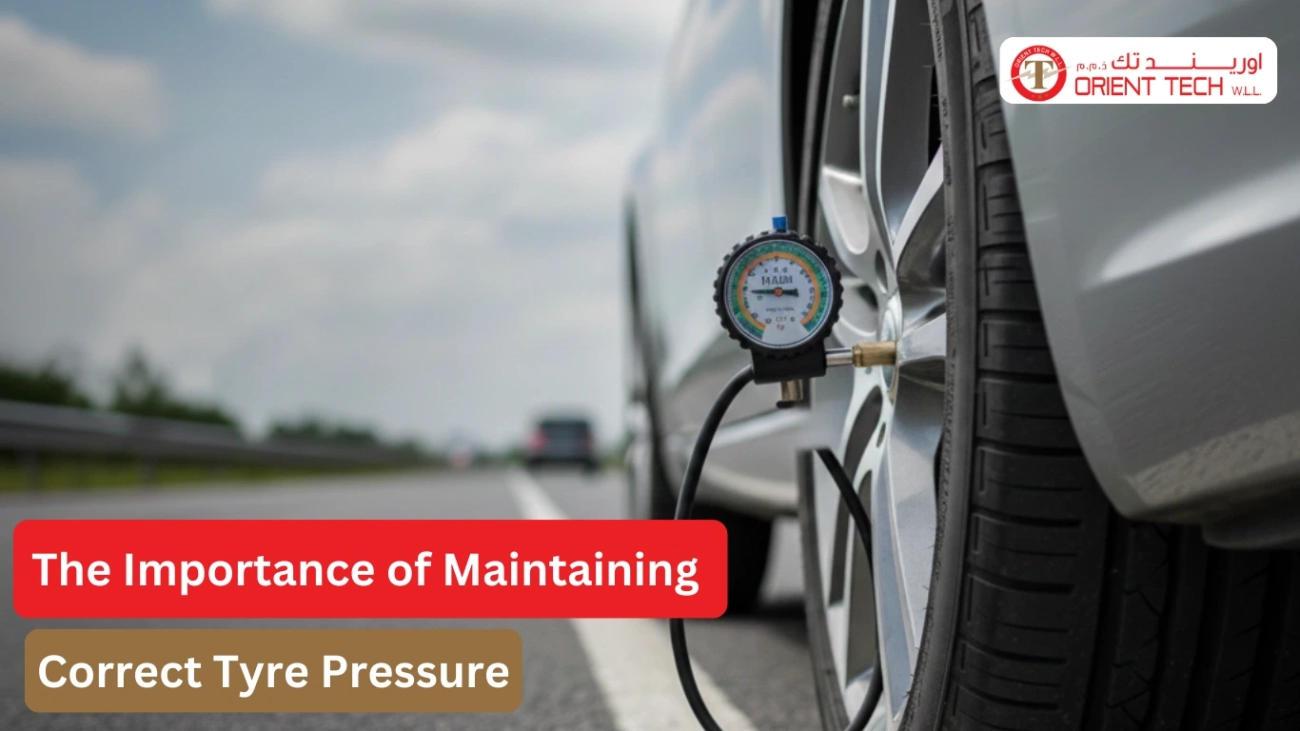
Tyres are the only point of contact between your vehicle and the road, which means even the smallest imbalance can impact safety, comfort, and performance. Among all tyre-care practices, maintaining the correct tyre pressure is one of the most crucial—but also one of the most overlooked. Many drivers check tyre pressure only when a warning light appears or when they feel something is “off” in the vehicle’s handling.
In reality, tyre pressure should be checked regularly to avoid premature wear, poor fuel economy, and even dangerous situations such as blowouts. In this blog, we’ll explore why maintaining the correct tyre pressure is essential, the dangers of under-inflation and over-inflation, the benefits of keeping tyres at the right PSI, and simple tips every vehicle owner should follow.
Why Correct Tyre Pressure Matters
1. Ensures Safe Driving
Safety is the number one reason to maintain correct tyre pressure. When your tyres are under-inflated, the sidewalls flex more than they should, reducing stability—especially at high speeds. Over-inflated tyres, on the other hand, reduce traction because less rubber meets the road.
Both conditions can increase the risk of:
- Tyre blowouts
- Loss of vehicle control
- Longer braking distances
- Poor cornering ability
2. Improves Fuel Efficiency
Under-inflated tyres create more rolling resistance, meaning the engine has to work harder to move the vehicle. According to global automotive studies, every 1 PSI below the recommended pressure can reduce fuel efficiency by up to 0.3%.
Correct tyre pressure means:
- Smoother rolling resistance
- Reduced engine workload
- Less fuel consumption
- Lower carbon emissions
3. Increases Tyre Lifespan
Driving on incorrect tyre pressure is one of the main causes of premature tyre wear. Under-inflated tyres wear out the edges faster, while over-inflated tyres wear the centre tread.
Maintaining correct pressure ensures:
- Even tread wear
- Longer tyre life
- Reduced frequency of replacements
- Better long-term savings
4. Enhances Driving Comfort
Tyres act as the first layer of suspension between your car and the road. Improper pressure disturbs that balance:
- Over-inflated tyres make the ride stiff and uncomfortable.
- Under-inflated tyres create drag and vibration.
5. Protects Wheel and Suspension Components
Incorrect tyre pressure affects much more than just the tyre itself. It puts continuous extra stress on wheels, suspension joints, bushings, and shocks.
Maintaining the correct pressure helps:
- Reduce stress on vehicle components
- Maintain suspension alignment
- Prevent unnecessary repairs
Signs Your Tyre Pressure May Be Incorrect
1. Decreased Fuel Mileage
If you suddenly notice higher fuel consumption, low tyre pressure could be the reason.
2. Uneven Tyre Wear
Worn edges = low pressure.
Worn centre = high pressure.
3. Poor Handling and Steering Response
If the car feels sluggish, heavy, or unstable while turning, tyre pressure should be checked.
4. Vibration While Driving
Under-inflated tyres can cause wobbling or vibration, especially at higher speeds.
5. TPMS Warning Light
Modern cars display a warning when tyre pressure drops below a safe limit.
Recommended Tyre Pressure: How to Check
- On the driver-side door jamb
- Inside the fuel lid
- In the owner’s manual
Check your pressure:
- Every 2 weeks
- Before long trips
- After sudden temperature changes
Under-Inflated vs Over-Inflated Tyres: The Differences
Under-Inflated Tyres
- Reduced fuel economy
- Higher rolling resistance
- Increased heat buildup
- Higher risk of blowouts
- Reduced tyre lifespan
Over-Inflated Tyres
- Reduced traction
- Harsher, uncomfortable rides
- Faster centre tread wear
- Greater risk of hitting potholes and damaging the rim
Tips to Maintain Correct Tyre Pressure
Check pressure regularly
Make it a habit—just like checking engine oil.
Use high-quality valves and caps
Damaged valves can slowly leak air.
Invest in a digital tyre pressure gauge
Accurate readings prevent misjudgment.
Get tyres checked during service visits
Professional inspections can detect hidden issues.
Conclusion
Maintaining correct tyre pressure is a simple yet powerful habit that improves safety, boosts fuel efficiency, protects your tyres, and enhances overall driving comfort. Whether you drive daily through city traffic or long highways, proper tyre care ensures smoother rides and lower long-term maintenance costs.
For drivers who value quality, durability, and performance, leading tyre specialists like Orient Tech provide reliable tyre solutions, professional tyre services, and expert guidance to help you keep your vehicle running safely and efficiently.
FAQ's
1. What is the correct tyre pressure for my car?
The correct tyre pressure varies by vehicle and is provided by the manufacturer. You can find it on the driver-side door jamb, inside the fuel lid, or in the owner’s manual. Always follow the vehicle’s recommended PSI, not the tyre’s maximum rating.
2. How often should I check my tyre pressure?
Tyre pressure should be checked at least once every two weeks and before long trips. Temperature changes can also affect pressure, so check more frequently during extreme weather.
3. What happens if my tyres are under-inflated?
Under-inflated tyres increase rolling resistance, reduce fuel efficiency, cause uneven tyre wear, and raise the risk of tyre blowouts. They also negatively affect braking distance and handling.
4. Is over-inflating tyres dangerous?
Yes. Over-inflated tyres have less contact with the road, reducing traction and causing harsher rides. They also wear out the centre tread faster and are more likely to get damaged by potholes.
5. Why does tyre pressure drop during cold weather?
Tyre pressure drops in cold weather because air contracts when temperatures fall. For every 10°C decrease, tyres can lose about 1–2 PSI. This is normal, and topping up regularly keeps your vehicle safe.