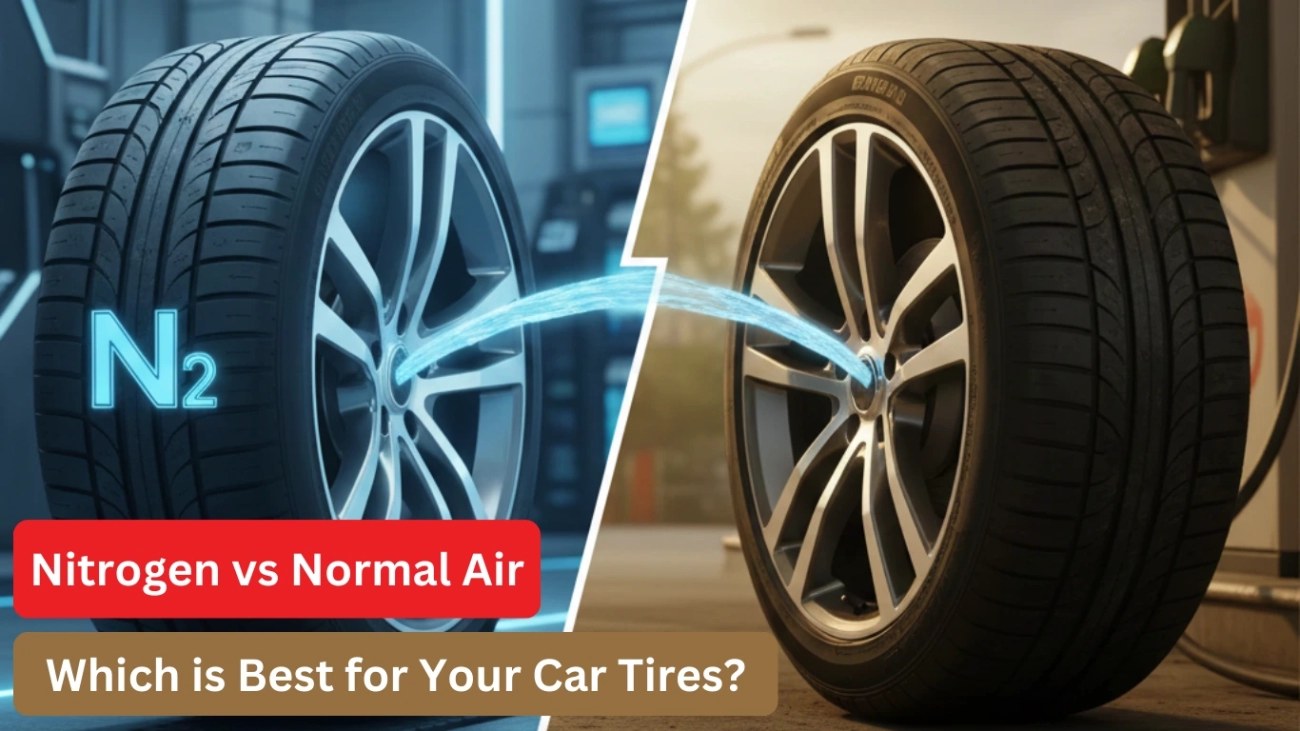
Nitrogen vs Normal Air Which is Best for Your Car Tires

Nitrogen vs Normal Air Which is Best for Your Car Tires

Tyres play a critical role in your vehicle’s safety, performance, and comfort. One important aspect of tyre maintenance is the type of air you fill inside them. In recent years, nitrogen inflation has become increasingly popular, especially among car owners who want better tyre life and efficiency. But is nitrogen really better than regular air? And is it worth the cost?

In this detailed comparison, we explore how nitrogen differs from normal air, the benefits, drawbacks, and which option is ultimately best for your vehicle with insights from Orient Tech WLL.

What’s the Difference Between Nitrogen and Normal Air?

Normal air is made up of:

  • 78% Nitrogen
  • 21% Oxygen
  • 1% Other gases (moisture, carbon dioxide, etc.)

Nitrogen-filled tyres use 95% or more pure nitrogen, reducing the amount of oxygen and moisture inside the tyre.

The key difference lies in the moisture content. Standard air contains water vapor, which can change pressure with temperature changes. Nitrogen is dry and stable, which helps maintain better pressure for longer.

Benefits of Filling Your Tires with Nitrogen

1. Better Pressure Retention

Nitrogen molecules are larger than oxygen molecules, so they escape more slowly from the tyre. This means nitrogen-filled tires maintain pressure longer and lose air at a slower rate.

Why this matters:

  • Improved safety
  • Better fuel economy
  • More consistent ride quality

2. Reduced Tyre Wear

Stable tyre pressure helps keep the surface of the tyre in proper contact with the road. This leads to even tread wear and extends the overall lifespan of your tyres.
Drivers who frequently travel long distances or carry heavy loads benefit greatly from nitrogen inflation.

3. Improved Fuel Efficiency

Underinflated tyres increase rolling resistance, causing the engine to work harder and burn more fuel. Since nitrogen maintains pressure longer, it helps improve fuel economy over time.
A properly inflated tyre can improve fuel efficiency by up to 3–5%.

4. Lower Risk of Oxidation

Oxygen and moisture inside tyres can corrode wheel rims and damage the inner tyre lining. Nitrogen, being dry and non-reactive, minimizes oxidation and helps keep wheels and tyres in healthier condition.

This is especially useful for:

  • Aluminium alloy wheels
  • High-performance tyres
  • Hot climates where pressure fluctuations are common

Benefits of Using Normal Air

1. Easily Accessible

Normal air is available at every fuel station, tyre shop, and garage, making it the most convenient option for daily drivers.

2. Low Cost

Air inflation is usually free or very cheap, whereas nitrogen filling might have an additional cost. For budget-focused drivers, standard air remains a practical choice.

3. Works Perfectly Fine for Regular Use

For everyday driving—commuting, city travel, and moderate highway use—normal air performs adequately as long as tyre pressure is checked regularly.

Routine maintenance is the key, regardless of the inflation method.

Which One Should You Choose?

Choose Nitrogen if:

  • You want long-lasting tyre pressure
  • You drive long distances or at high speeds
  • You live in a hot climate where pressure fluctuates
  • You want better performance and fuel economy
  • You prefer premium tyre care

Choose Normal Air if:

  • You prefer convenience
  • You drive mostly in the city
  • Budget is a priority
  • You regularly check tyre pressure

Is Mixing Nitrogen and Air OK?

Yes, mixing them is safe. If your nitrogen-filled tyre is low and nitrogen isn’t available, you can top it up with normal air. However, doing so reduces the purity of nitrogen and may decrease the benefits.

If needed, you can flush and refill the tyre with pure nitrogen later

Conclusion

Both nitrogen and normal air can keep your tyres inflated—but nitrogen offers clear advantages in terms of pressure retention, tyre life, and performance. For drivers looking for superior safety and long-term value, nitrogen inflation is an excellent investment. For expert tyre care, nitrogen filling, tyre services, and professional advice you can trust, Orient Tech WLL is your go-to automotive partner.

FAQ's

1. Is nitrogen really better for car tires?
Yes. Nitrogen maintains tyre pressure longer, reduces wear, and improves fuel efficiency compared to regular air.
2. Can I switch from air to nitrogen?
Absolutely. A technician can remove the air and refill your tyres with nitrogen at any time.
3. Is it safe to mix nitrogen and regular air?
Yes, it is safe. Mixing will not harm the tyres, but it may reduce the full benefits of nitrogen.
4. How often should nitrogen-filled tyres be checked?
Even with nitrogen, tyre pressure should be checked every 2–4 weeks for optimal safety and performance.
5. Does nitrogen help in hot climates?
Yes. Nitrogen is less affected by heat, making it ideal for regions with high temperatures.
Tags: No tags

Comments are closed.