 +974 55641343
  info@orienttech.com.qa
 +974 4451 2997
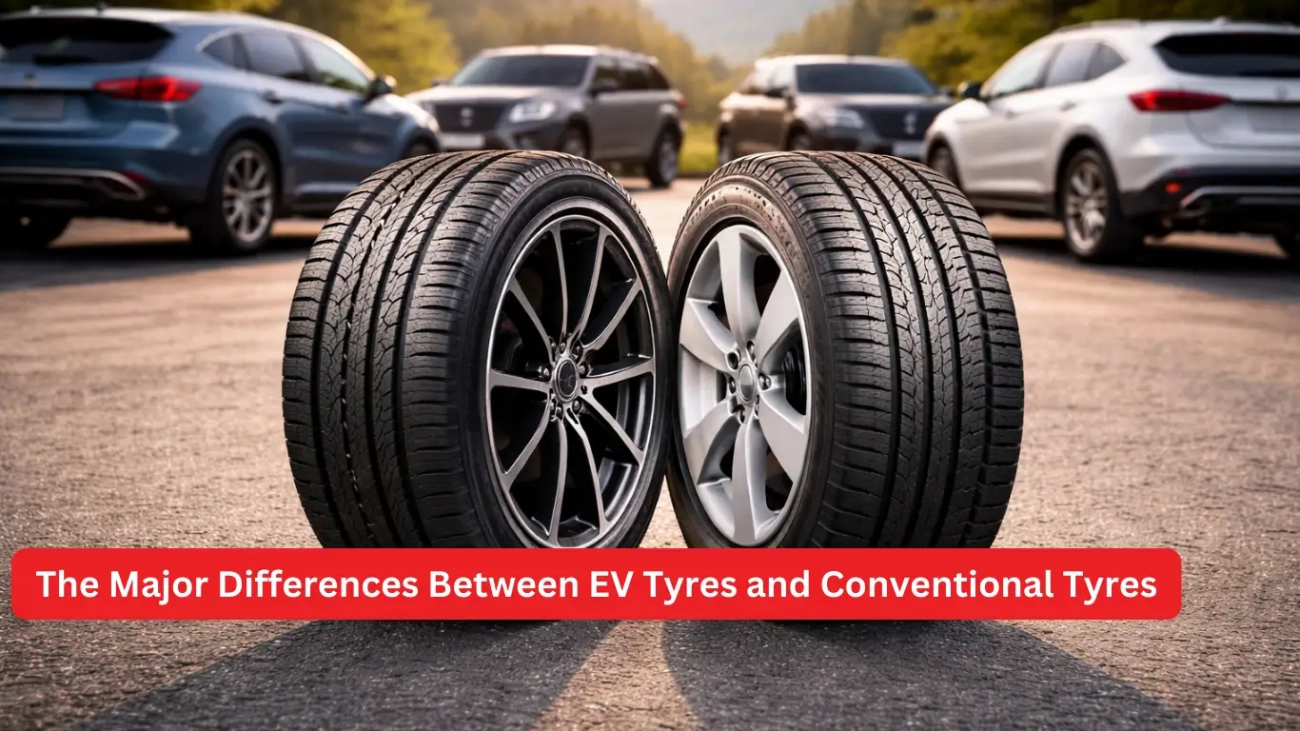
Electric vehicles require specialised tyres. Learn how EV tyres differ from conventional tyres in design, performance, durability, and efficiency—and why choosing the right tyre matters.
What Are EV Tyres?
EV tyres are specially engineered to handle the unique demands of electric vehicles, such as higher torque, increased weight from batteries, and the need for reduced rolling resistance to maximise range.
Key Characteristics of EV Tyres
- Designed for instant torque delivery
- Reinforced structure for heavier vehicles
- Optimised tread for energy efficiency
What Are Conventional Tyres?
Conventional tyres are designed for internal combustion engine (ICE) vehicles and focus on balanced performance across fuel efficiency, comfort, and durability under traditional driving conditions.
Common Features of Conventional Tyres
- Standard rubber compounds
- Suitable for petrol and diesel vehicles
- Cost-effective and widely available
Major Differences Between EV Tyres and Conventional Tyres
Weight Handling and Load Capacity
- EV tyres have stronger sidewalls to support battery weight
- Conventional tyres are lighter-duty by comparison
Torque and Acceleration
- EV tyres manage instant torque without excessive wear
- Conventional tyres wear faster under EV torque
Rolling Resistance and Efficiency
- EV tyres reduce rolling resistance to improve driving range
- Conventional tyres prioritise fuel efficiency, not battery range
Noise Reduction
- EV tyres use noise-dampening foam or tread designs
- Conventional tyres rely on engine noise masking tyre sound
Tread Life and Wear
- EV tyres are built to resist faster wear
- Conventional tyres may degrade quicker on EVs
Can You Use Conventional Tyres on an EV?
While conventional tyres can physically fit some EVs, they may reduce range, increase noise, and wear out faster—making EV-specific tyres the better long-term choice.
Which Tyre Should You Choose?
Choosing the right tyre depends on your vehicle type, driving habits, and performance expectations. EV owners benefit most from tyres designed specifically for electric mobility.
Conclusion
EV tyres and conventional tyres differ significantly in construction, performance, and efficiency. For optimal safety, comfort, and longevity, EV owners should always consider purpose-built tyres. Orient tech WLL recommends selecting the right tyre technology to match your vehicle’s evolving needs.
FAQs
1. What is the main difference between EV tyres and normal tyres?
EV tyres are designed to handle higher weight, instant torque, and lower noise compared to conventional tyres.
2. Do EV tyres improve driving range?
Yes, EV tyres have lower rolling resistance, which helps maximise battery range.
3. Are EV tyres quieter than conventional tyres?
Yes, they are specifically engineered to reduce road noise in silent electric vehicles.
4. Can conventional tyres damage an electric vehicle?
They won’t damage the vehicle but may cause faster wear, higher noise, and reduced efficiency.
5. Are EV tyres more expensive than normal tyres?
EV tyres may cost more initially but often last longer and improve overall performance.